
A reflection on how small moments of perspective, within family, conflict, or self-talk, can transform reactivity into clarity, presence, and emotional regulation.


Familiarity and Blurred Vision
In the past week, I have had three opportunities to step outside of spirals and circumstances and take a look at what was happening from an “outside” perspective. First, during a family meal, Damon and his daughter were significantly amused by something that my son had said; a comment that I chuckled at, but was used to hearing. Later, at the beginning of a potential argument, I was able to step away and take a moment to view what was happening for me internally, before responding, and rerouted from turmoil to tenderness. And finally, after introducing my father to someone for the first time, she remarked privately to me that my dad is very charming and called him “a catch of a dad to get”, a phrase I hadn’t before heard and a fact that I sometimes forget or take for granted.
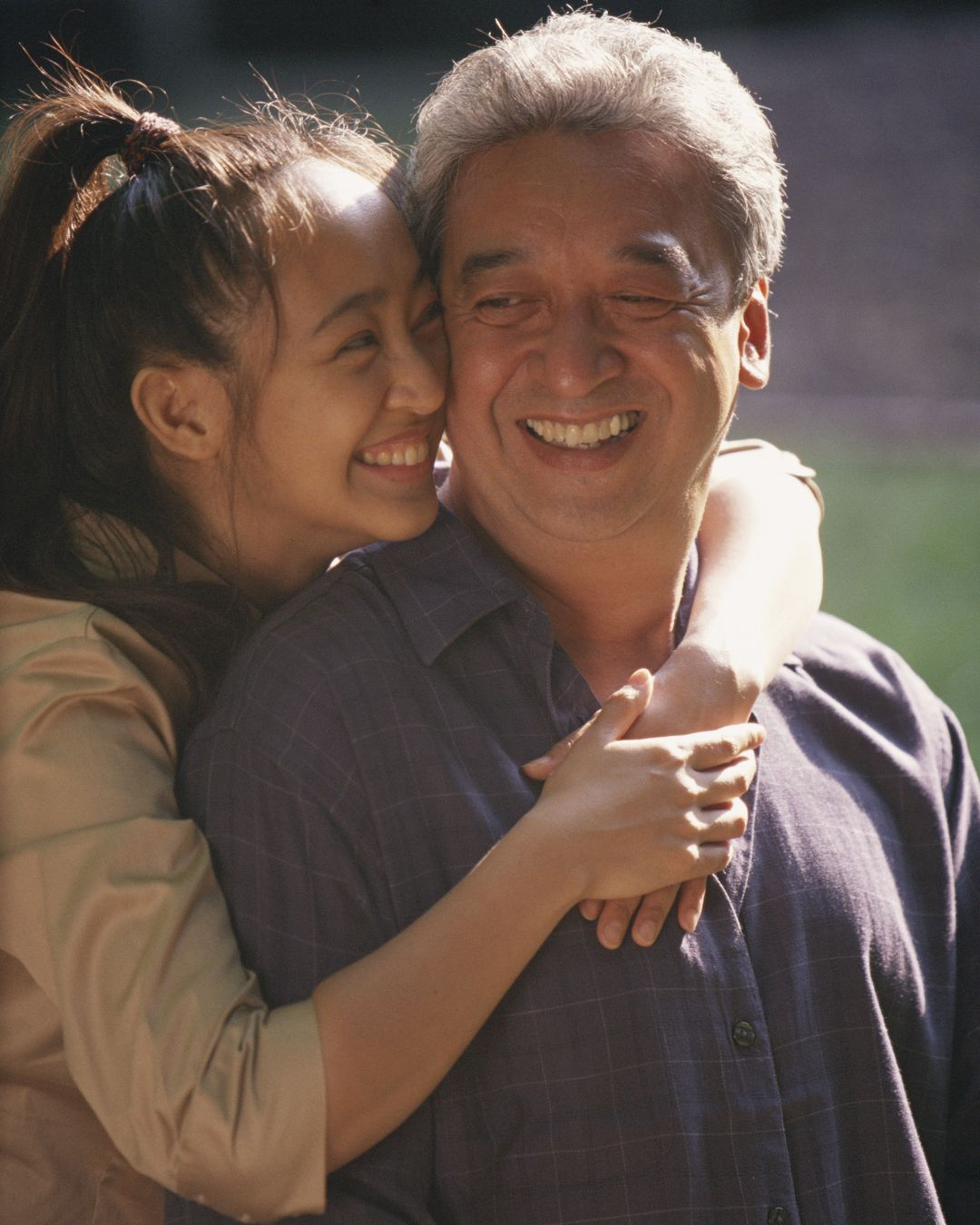
Each one of these moments gave me an opportunity to see the people and circumstances of my life from a different vantage point. I know that my son has a great sense of humor. He’s wicked funny. Still, sometimes the responsibilities of parenting are louder than his wit, and I miss out on a moment of shared humor or appreciation. The same for my father. A near stranger’s small comment, referring to my dad’s warmth and vulnerability, wiped the smears and smudges created by the stress of a parent child dynamic, so I was able to see my father clearly. Her words reminded me to recognize and acknowledge the parts of him that I love and admire. And both moments, with my son and my father, were prompts to stay present and cherish the time that I have with those that I love. A difficult practice in our busy lives, but among the most important.
For a moment, I became both the person having the experience and the witness.
Becoming the Observer
The moment that I took to myself was also one of presence and recognition. Stepping away and pausing before reacting gave me a moment to regulate when I recognized that I was getting defensive. I didn’t just reflect though, I observed and accepted. The same way that I was able to see my loved ones through the eyes of another, I made a point to view myself without judgement or emotional attachment.
In writing, there are three perspectives from which an author narrates. First-person, the “I”, is rich and insightful, but prone to bias because the reader’s perspective is inside of the experience. Second-person, the “you”, explains guidance and motivation, but can be limiting or judgemental. Third-person is the pronoun person, the “he”, “she”, or they”. Third-person creates distance from emotion and looks at a story from all sides, knowing all things. It can be emotionless, but is often omniscient, or all-knowing. This is the perspective that I chose when I felt myself speaking defensively and slipping into a familiar spiral earlier this week.
A Private Conversation
It went something like this.
“Hey, what’s going on?”
I’m so mad. He just took over because what I was doing wasn’t good enough. He’s being patronizing. If he thinks I’m messing up, I don’t have to help.
“Okay. Do you actually believe you were messing up?”
Maybe. A little. I guess I wasn’t completely confident about what I was doing.
“That makes sense. But is that what he was saying?”
No.
“Then what else might be true?”
I was trying to be helpful. And he’s told me before that he gets anxious when he feels me becoming insecure.
“How are you feeling right now?”
Not angry, actually. More insecure than angry.
“And what do you need?”
Honestly? Just a minute.
“Can you give yourself that?”
Yeah.
“And is there anything you need from him right now?”
No. I’m okay.
And that was it.
When I was able to find and name the feeling directly, it softened. And by allowing myself this outside perspective, I didn’t judge myself for my reaction, try to convince myself that I should feel differently, or get swept away by any story that I was creating. I didn’t dive face first into a well of blame and shame. I was able to observe, acknowledge, and let it settle. For a moment I became the person having the experience, and the witness. And with this small shift I found the acceptance, compassion, and clarity that I needed.
Changing Your Relationship to the Experience
Self-distancing research supports that being able to step outside of your immediate experience and view from an objective perspective eases emotional reactivity. That’s just science. It gives space for your body to calm, your stress hormones and emotions to regulate, and your energy to recalibrate. In the middle of a storm, everything feels overwhelming. We view ourselves as the storm itself. When we see ourselves as an observer instead, it helps us respond and not just react.
Okay, now I am not advocating for breaking from reality to improve relationships or enhance emotional well-being. We live a first-person existence. But when you are in need of a little clarity and compassion, take some space. Whether it is your relationship with yourself, your loved ones, or the world around you, step through the looking glass and shift your vantage point. You may find that by changing our relationship to an experience, you are able to change and appreciate the experience itself.

References
- Gunnarsson, H., & Agerström, J. (2026). Pain From a Distance: Can Third-Person Self-Talk Mitigate Pain Sensitivity and Pain Related Distress During Experimentally Induced Pain? Psychological Reports, 129(3), 1949-1964.
- Moser, J.S., Dougherty, A., Mattson, W.I. et al. Third-person self-talk facilitates emotion regulation without engaging cognitive control: Converging evidence from ERP and fMRI. Sci Rep 7, 4519 (2017).
- Prencipe, A., & Zelazo, P. D. (2005). Development of Affective Decision Making for Self and Other: Evidence for the Integration of First- and Third-Person Perspectives: Evidence for the Integration of First- and Third-Person Perspectives. Psychological Science, 16(7), 501-505.
Need a Little Clarity?
Feel free to reach out below and ask whatever is on your mind.